

ALL POSTS
ALL POSTS
Coffee Sommeliers: Tasters and Q-Graders



4 min read
Last edit: Jan 16, 2026
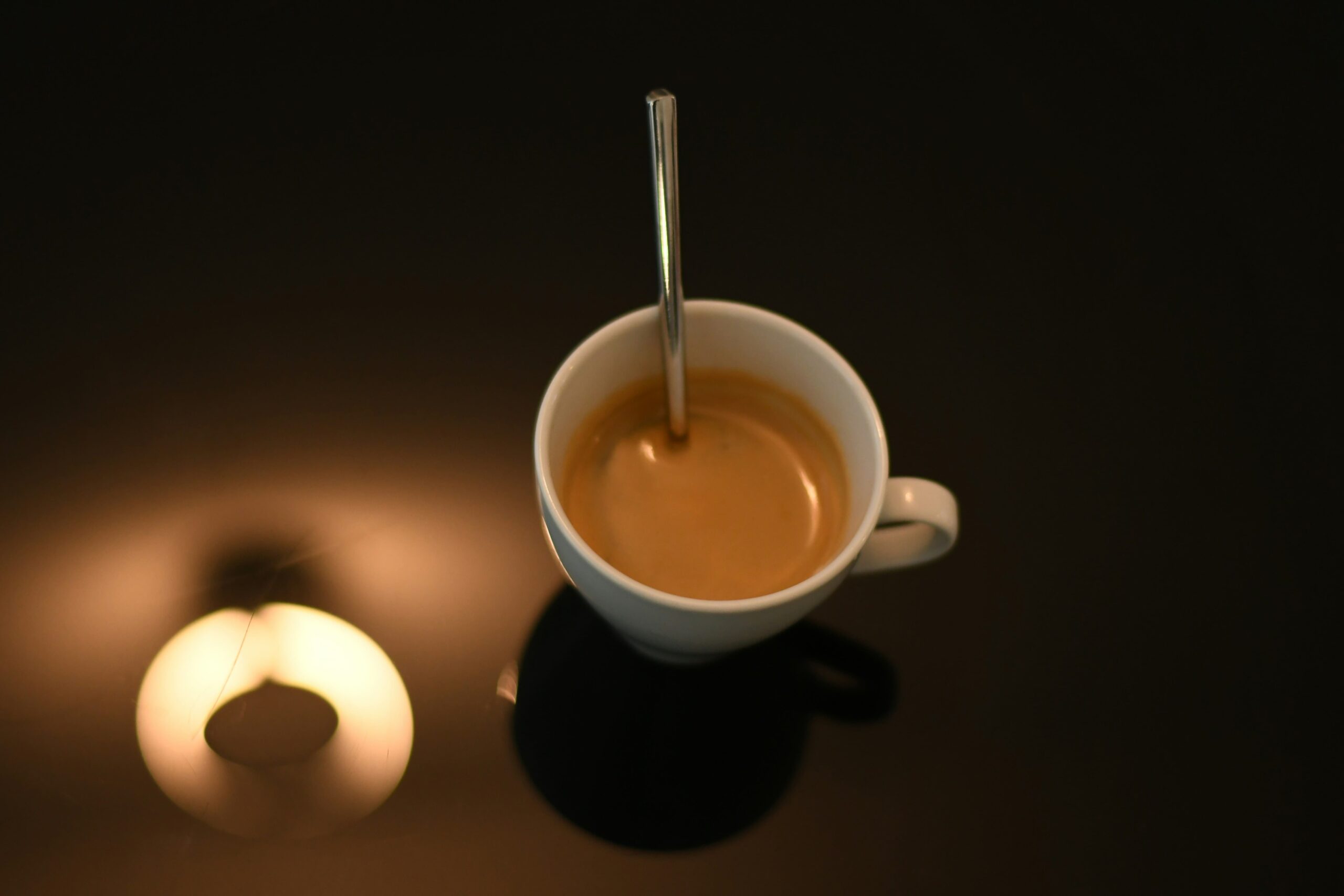
When people think about coffee professionals, they often imagine baristas behind espresso machines or roasters fine-tuning roast curves. Yet behind every great coffee is another, less visible profession: the coffee taster. These professionals shape how coffee is evaluated, traded, and ultimately experienced by consumers.
Among them, Q-Graders represent the highest internationally recognized standard of sensory skill. In this article, we explore the profession of coffee taster and discover how one can become one.
A short story of sensory science in coffee
For centuries, coffee quality was judged informally—by merchants, exporters, or café owners relying on extrinsic parameters such as origin, cost, and phenotypical characteristics. As global trade expanded in the 19th and 20th centuries, inconsistencies in quality became costly. The industry needed a common sensory language and a standard for how to assign quality.
Modern coffee sensory science began taking shape in the mid-20th century, influenced by wine tasting, beer tasting, and food science. In the 1990s and early 2000s, organizations like the Specialty Coffee Association (SCA) and the Coffee Quality Institute (CQI) formalized evaluation systems.
The result was the cupping protocol and tools like the Coffee Taster’s Flavor Wheel, which standardized how aromas, flavors, acidity, sweetness, and defects are identified and scored. This scientific approach transformed coffee from a commodity into a product that could be described, differentiated, and valued with precision.
Today, the coffee industry is transforming with yet another development in how coffee is evaluated. With the introduction of the new Coffee Value Assessment protocol (CVA) by SCA, the quality and value of coffee are to be reimagined and readjusted to better suit evolved growing, processing and consumption practices.
What does a coffee taster do?
A professional coffee taster’s work goes far beyond “drinking coffee.” Their role sits at the intersection of sensory analysis, quality control, decision-making, and often sourcing or sales.
Coffee tasters typically:
- Evaluate green coffee samples for defects and quality potential
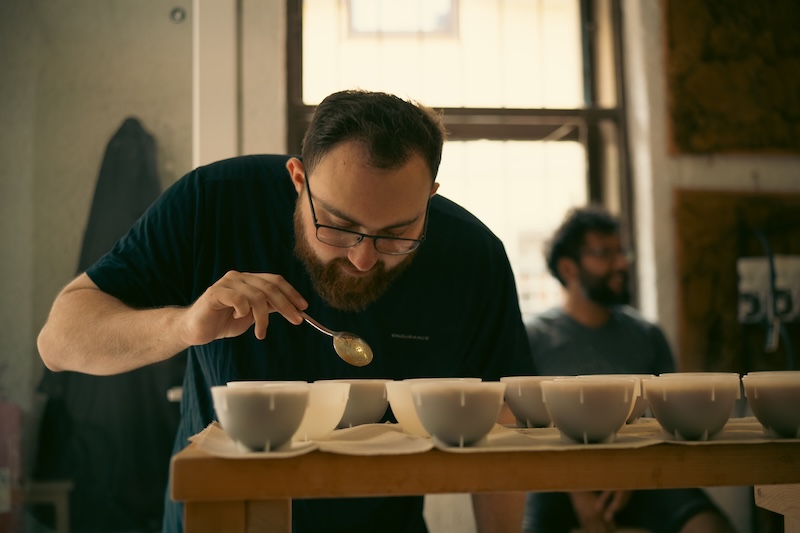
- Cup roasted samples to assess aroma, flavor, acidity, body, balance, sweetness, uniformity, and aftertaste (flavor profile)
- Identify flavor notes and structural attributes using standardized vocabulary
- Ensure consistency across batches for roasters
- Support purchasing decisions, pricing, and blending
- Communicate quality findings to farmers, traders, and marketing teams
In specialty coffee, tasters help translate farm-level work into consumer value. A single sensory decision can influence whether a coffee is sold as a premium micro-lot or blended into a commercial product.
Who are Q-Graders?
Q-Graders are certified professional coffee tasters licensed by the Coffee Quality Institute (CQI). They are trained and tested to evaluate coffee according to globally recognized standards, ensuring that a score of 80+ in one market means the same elsewhere.
There are two main certifications:
- Arabica Q-Grader
- Robusta Q-Grader
Becoming a Q-Grader is demanding. Candidates must pass a series of rigorous exams covering:
- Sensory triangulation (detecting differences between cups)
- Identification of acids, aromas, and flavor attributes, as well as their intensities
- Recognition of green and roasted coffee defects
- Accurate scoring and calibration with international standards
- Deep knowledge of coffee terroir, processing, etc.
The certification is valid for three years and must be renewed through recalibration, ensuring ongoing sensory accuracy.
In Slovenia, there is currently only one certified Q-Grader: Lev Volodarsky, highlighting how rare and specialized this qualification still is in smaller coffee markets.
How to become a coffee taster
There is no single path, but most coffee tasters share a combination of practice, education, and curiosity. Common steps include:
1. Cupping regularly – Repetition is key. Tasting dozens of coffees weekly with other coffee tasters builds sensory memory.
2. Learning sensory language – Knowing how to translate flavor perception into comprehensive and universal terminology is key.
3. Working with coffee – Roles in roasting, importing, quality control, or cafés provide exposure to diverse coffees. This allows for building experience tasting various terroirs, varieties, and processing.
4. Taking SCA courses – Sensory Skills courses are the most popular solutions for establishing the career path of a coffee taster or confirming existing qualifications.
At specialtykava.si, we offer SCA CSP Sensory courses from the Foundation to the Professional level. Find out more here.
How to become a Q-Grader
After developing strong tasting skills, vocabulary, and experience, aspiring Q-Graders typically:
- Train extensively on cupping protocols and defect recognition
- Practice aroma recognition with the Le Nez du Cafe kit or analogues.
- Attend a Q-Grader preparation course (often several days long)
- Take the official CQI exam under licensed Q-Instructors
Success requires not only a sensitive palate but also mental focus, consistency, and discipline. Many experienced tasters need multiple attempts before passing.
Why coffee sommeliers matter
In a world of rising prices, sustainability claims, and regulatory pressures, professional coffee tasters play a critical role in establishing the value of coffee. They safeguard quality, support transparency, and help ensure that flavor – not just volume – drives value.
Whether they are cupping in a lab or advising roasters, coffee tasters, and Q-Graders are professionals shaping how the world experiences coffee – one cup at a time.
You can also experience a part of Q-Graders work during our regular Coffee Tasting events. Check the dates and register here.