





ALL POSTS
ALL POSTS
Healthy Coffee: Mushroom or Decaf?



6 min read
Last edit: Jan 7, 2026
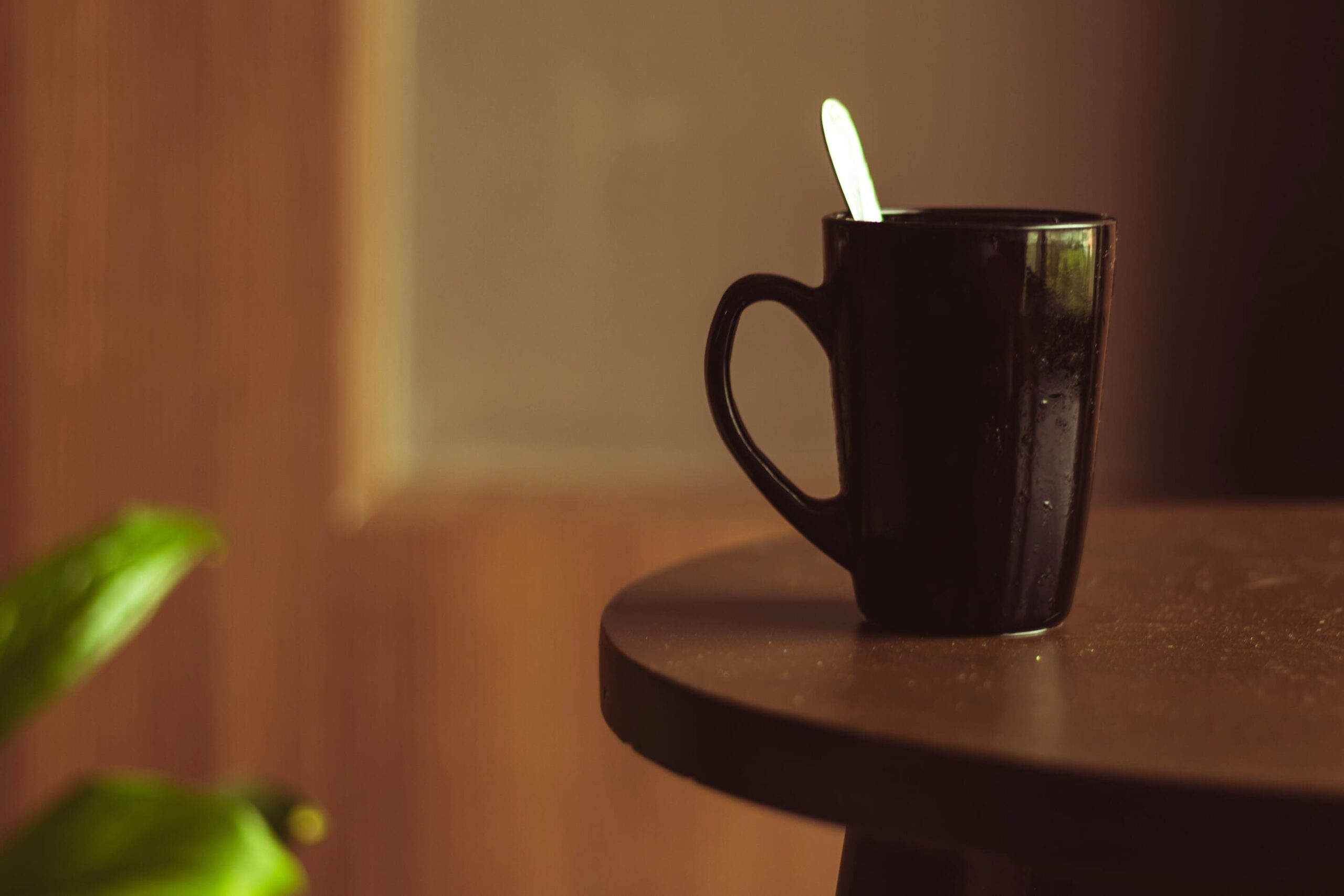
The recent boom in popularity of Mushroom coffee has sparked a lot of discussions in the professional coffee community about whether this kind of coffee-based products is actually good.
We decided to compare mushroom coffee with another type of coffee that we deem healthy, namely decaf coffee.
Whether you’re sensitive to caffeine, a fan of bio-hacking, chasing cognitive clarity, or just curious about alternatives to traditional coffee, both of these options offer compelling reasons to sip.
But which one is truly better for your health?
In this article, we break down both products to compare benefits, price, and performance to help you understand which one is a good choice for you.
What Are We Comparing?
Before diving deeper, let’s clearly define the two contenders:
Mushroom Coffee: A blend of ground coffee and powdered medicinal mushrooms like Lion’s Mane, Chaga, Reishi, or Cordyceps.
The mushroom extract adds bioactive compounds known as “beta-glucans”, which are associated with immune and cognitive support.
Decaf Coffee: Traditional coffee beans that have undergone chemical or CO₂ processes to remove most of the caffeine.
Decaf aims to retain the flavor and beneficial polyphenols of coffee while reducing caffeine-related effects.
Both are popular with people looking to enjoy coffee with less acidity or added health benefits. But their roots, chemistry, and effects can be quite different. Let’s explore.
Scientifically Proven Benefits
Mushroom Coffee:
Mushroom coffee is marketed as more than just “coffee with funk.” The mushrooms blended into these drinks contain compounds extensively studied for biological activity.
- Cognitive Support
Certain mushrooms like Lion’s Mane have been shown in clinical research to support nerve growth factor (NGF), potentially enhancing mental focus and memory. While human studies are still growing, early results suggest benefits for mild cognitive function and sustained mental energy.
- Immune Modulation
Many medicinal mushrooms are rich in “beta-glucans” – complex sugars known to interact with the immune system. “Beta-glucans” may help support a balanced immune response without overstimulation. For individuals prone to seasonal illnesses, this can be a welcome benefit.
- Anti-Inflammatory & Antioxidant Effects
Compounds found in Chaga and Reishi mushrooms exhibit antioxidant and anti-inflammatory effects in lab models, which may offer protective support against everyday oxidative stress.
However, it’s important to note that while there is promising evidence, most research has been done in vitro (test tubes) or in animal models. Larger, long-term human trials are still emerging.
The biggest criticism of Mushroom coffee products is tied to the effects that are heavily advertised, having little scientific proof.

Decaf Coffee:
Decaf coffee retains many of the benefits traditionally associated with regular coffee – minus most of the caffeine. Decaf is rich in antioxidants, particularly chlorogenic acids, which have been associated with reduced oxidative stress and possible protection for metabolic and cardiovascular health.
- Antioxidants
Coffee is one of the largest dietary sources of antioxidants worldwide. Studies suggest that even decaf coffee can contribute significantly to daily antioxidant intake, helping neutralize free radicals.
- Metabolic Health
Some research has linked consistent coffee consumption (including decaf) to improved liver enzymes and a lower risk of Type 2 diabetes. While caffeine plays a role, other components like polyphenols are believed to be key contributors.
- Digestive Comfort
Since decaf is lower in caffeine, many people with acid sensitivity, heartburn, or anxiety find it easier on their digestion and nervous system balance.
Decaf is often criticized for having a flat and mildly bitter flavour as well as being slightly more expensive compared to the same coffee with caffeine content intact.
Price Per Serving
When comparing the cost, several factors come into play: raw material quality, extraction processes, and brand positioning.
Mushroom coffee often sits at a premium price point compared to regular or decaf coffee. Why?
- Medicinal mushroom extracts are expensive to cultivate and process.
- Some brands source organic, wild-harvested ingredients.
- Specialized extraction (e.g., dual extraction for full spectrum) adds complexity and cost.
On a per-serving basis, mushroom coffee can range from moderately more expensive to significantly higher than decaf. For many health-oriented consumers, the additional cost is justified by the claimed functional benefits.
Decaf, especially when sourced from high-quality beans, typically costs less per serving than mushroom blends. However, the price varies depending on:
- Decaffeination method (the Swiss Water Process tends to be pricier than chemical solvents)
- Bean quality (specialty vs commodity)
- Origin and roast level
If budget is a concern, decaf coffee often offers a more economical path to daily enjoyment without sacrificing quality.
Flavor Profiles
Mushroom coffee has a unique flavor profile that sits somewhere between earthy and nutty while often being robust:
- Initial Notes: Light caramel and chocolate flavor deriving from coffee, sometimes muted depending on the ratio of mushrooms to coffee beans.
- Mushroom Notes: Earthy, nutty, sometimes described as a mild forest floor character.
- Finish: Smooth, often less bitter than traditional from-the-shelf coffee.
For many drinkers, the earthiness is a welcome twist — it’s comparable to a light herbal infusion mixed with coffee. However, purists who love bold coffee might find some blends too mild or too “mushroom forward.”
Decaf can vary widely in flavor depending on origin, processing method, fermentation type, and roast, but generally aims to keep regular coffee’s character:
- Acidity: Lower than average coffee.
- Body: Medium to light.
- Flavor Range: From fruity and bright to rich and chocolatey, depending on the bean.
The key with decaf is that the quality of beans matters most. A good decaf roast can be just as satisfying as regular coffee.
Technology and Origin Transparency
Transparency in mushroom coffee is essential because:
Source traceability is rare: Wild vs cultivated, organic certifications, and testing for contaminants are important but not always present.
Consumers should look for brands that disclose their mushroom sources, extraction processes, and third-party testing results.
For decaf, the decaffeination method is the most relevant technological consideration:
- Swiss Water Process: Chemical-free, utilizes water to remove caffeine.
- CO₂ Process: Uses supercritical carbon dioxide, selective and efficient.
- Chemical Solvents: Less expensive but can leave trace residues if not properly processed.
Origin transparency in decaf is often more established, especially among specialty roasters who provide farm, region, and sometimes roast profiles. Decaf beans from a known origin with ethical sourcing practices tend to be of higher quality and can offer better flavor and traceability.
Shelf Life
Mushroom coffee (especially powdered blends) tends to have a long shelf life — usually 12–24 months — due to low moisture and stable powdered extracts. However:
- Store in a cool, dry place.
- Avoid exposure to light and humidity.
- Oxidation can affect delicate compounds over time.
- Pre-packaged stick sachets often stay fresher longer than bulk jars once opened.
Whole bean or ground decaf coffee follows standard coffee shelf life:
- Whole Beans: Best within 1–6 months after roast
- Ground Coffee: Best within a few days after grinding
Grinding accelerates oxidation, so buying whole beans and grinding on demand preserves aroma and flavor longer.
Which is Better for Your Health?
An ultimate answer does not exist. It depends on your goals:
- If you want cognitive support and immune modulation: Mushroom coffee makes a strong case thanks to bioactive compounds not found in regular coffee.
- If you want antioxidant benefits with a familiar coffee flavor: High-quality decaf delivers polyphenols and an enjoyable cup with minimal caffeine.
- If you’re caffeine sensitive: Both options reduce caffeine load, but decaf typically contains very little caffeine, while mushroom coffee may still have modest amounts depending on the blend.
From a “wellness standpoint”, combining functional ingredients (mushrooms) with coffee offers a hybrid experience that resonates with many people seeking performance plus pleasure.
But decaf retains classic coffee enjoyment with scientifically backed benefits and fewer variables.
Your Choice Matters
Choosing between mushroom coffee and decaf isn’t just about caffeine — it’s about how you want your beverage to taste and support your day.
Both drinks offer compelling reasons to be part of a mindful lifestyle:
Mushroom coffee brings adaptogenic, immune, and cognitive potential at a premium price and interesting flavor.
Decaf coffee delivers antioxidant strength, digestive comfort, and classic coffee enjoyment with broad availability and lower cost.
Would you like to learn more about other coffee roasters in Slovenia? Here are the guides.