





ALL POSTS
ALL POSTS
Bitter Coffee: Why?



3 min read
Last edit: Jan 21, 2026
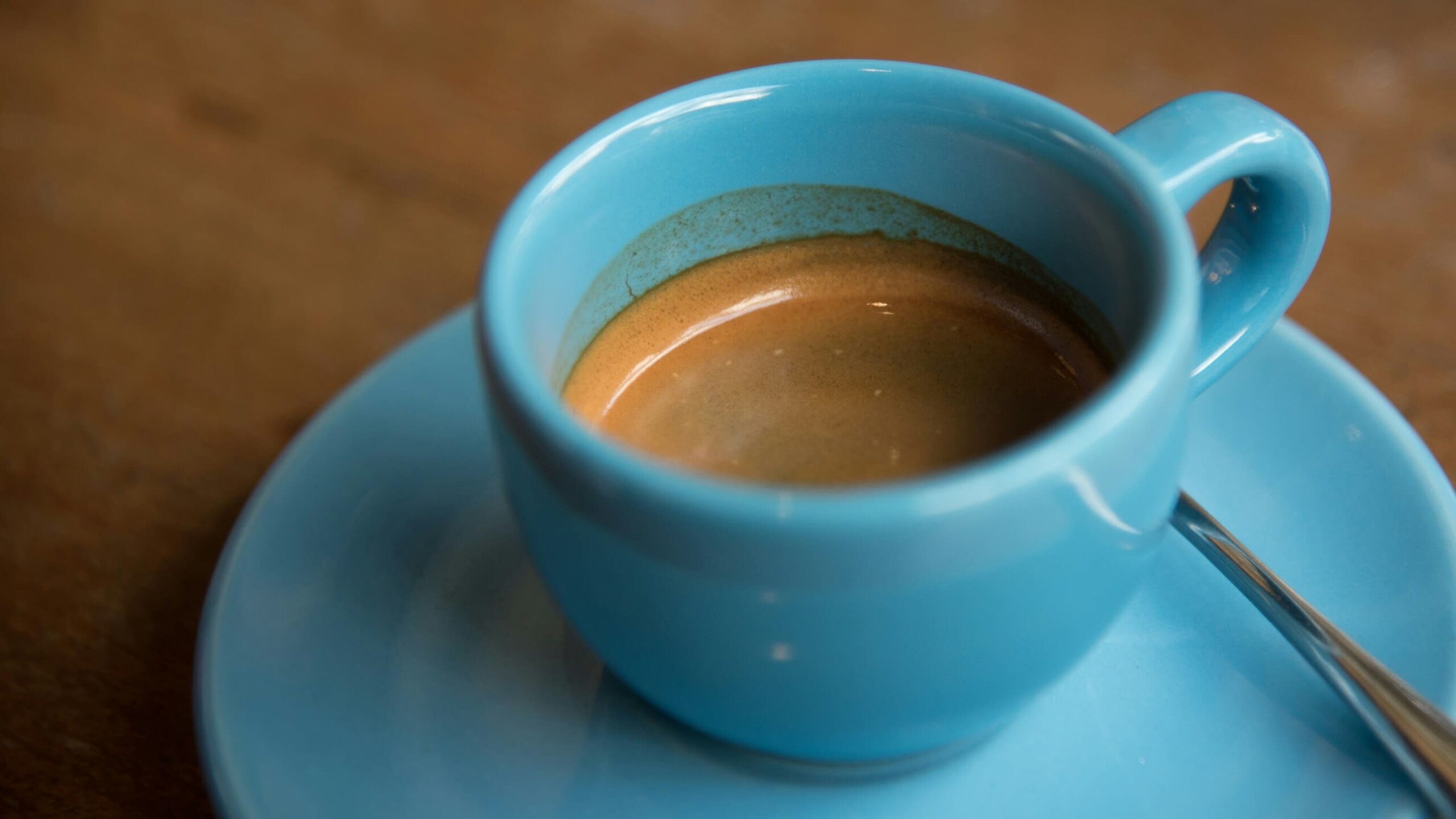
Coffee should taste bitter. This assumption is deeply rooted in cultural habit and is dictated by historical circumstance and the chemistry of coffee itself.
While bitterness is a natural sensory attribute, its tight association with coffee is not an intrinsic measure of quality, but rather the outcome of roasting practices, brewing methods, and centuries-old trade dynamics.
In this story, we will try to uncover why coffee is associated with bitterness.
The origins of bitterness in coffee
Bitterness in coffee primarily arises from three sources:
- over-roasting
- over-extraction
- caffeine itself
During roasting, green coffee beans undergo complex chemical reactions. When roasting is extended into darker stages, sugars and organic acids break down, while bitter compounds such as phenylindanes become more pronounced. The result is a heavier, smoky, often ashy profile dominated by bitterness.
Over-extraction during brewing further intensifies this effect. When water remains in contact with ground coffee for too long, or when grind size and brewing ratios are misaligned, bitter compounds are extracted after desirable acids and sugars have already been dissolved.
This phenomenon has historically been common in traditional brewing methods, particularly when dark-roasted coffee is brewed.
Caffeine itself is also inherently bitter. Coffees with higher caffeine content, or brewing styles that emphasize high extraction yield, naturally accentuate this sensation. However, caffeine bitterness alone is rarely dominant without the reinforcement of roasting and extraction variables.
Historical roots: bitter monopoly
The widespread acceptance of bitter coffee cannot be separated from its historical transmission through the Ottoman Empire, which played a decisive role in the global spread of coffee from the 15th century onward. Coffee roasting and brewing traditions developed under specific political and economic constraints.
Ottoman authorities are historically credited with roasting coffee beans dark and thoroughly before export. This practice served a strategic purpose: heavily roasted beans could not germinate if planted. By preventing coffee cultivation outside controlled regions, the empire effectively preserved its monopoly over coffee production for a period of time. Dark roasting was therefore not so much a flavor choice, but a geopolitical instrument.
As coffee spread across Europe and later the Americas, these dark-roast traditions traveled with it. Bitterness became synonymous with authenticity, “strength”, and seriousness. Over time, this sensory profile was internalized as the benchmark of “real coffee.”
The natural taste of the coffee species
From a botanical and sensory perspective, bitterness is not the defining characteristic of coffee. Arabica coffee (Coffea arabica), which accounts for the majority of naturally exhibits a sour-sweet balance unless roasted dark. Its inherent profile includes bright acidity, fruit-like sweetness, and aromatic complexity. When lightly to medium roasted and properly extracted, Arabica expresses minimal low-intensity bitterness.
Robusta coffee (Coffea canephora), by contrast, is naturally bitter-sweet. It contains significantly higher caffeine levels, resulting in stronger bitterness. In traditional blends and mass-market coffees, Robusta has often reinforced bitterness, further shaping consumer expectations.
Historically, limited access to high-quality Arabica and the widespread use of Robusta in commercial blends entrenched bitterness as a dominant sensory reference.
Decaffeinated coffee and the bitterness misconception
Decaffeinated coffee is frequently associated with dark color and bitter taste, reinforcing the belief that bitterness equals quality or “strength”. In reality, bitterness in decaf coffee is not a necessity but a byproduct of processing and roasting approaches.
Modern decaffeination methods such as Swiss Water, CO₂, or carefully controlled solvent processes can preserve much of the coffee’s original sweetness and acidity. When decaffeinated coffee is properly processed, lightly or moderately roasted, and carefully brewed, it can display clarity, balance, and minimal bitterness.
The persistence of bitter decaf in the market reflects tradition and cost efficiency, not sensory potential.
Want to learn about decaf? We have a full article prepared for you here.
A legacy rather than a standard
The idea that good coffee must be bitter is a cultural inheritance rather than a universal sensory truth. It emerged from historical monopolies, industrial roasting practices, and limited technical understanding of extraction.
Contemporary sensory science demonstrates that bitterness is only one component of coffee’s profile and often a sign of imbalance or defect rather than quality.
As modern coffee culture evolves, the understanding of the value of bitterness is shifting. What was once perceived as “strength” is increasingly recognized as a mask for lost sweetness, obscured acidity, and diminished complexity.
Coffee, by nature, is not meant to be bitter. It is meant to be balanced.
Would you like to learn more about other coffee roasters in Slovenia? Here are the guides.